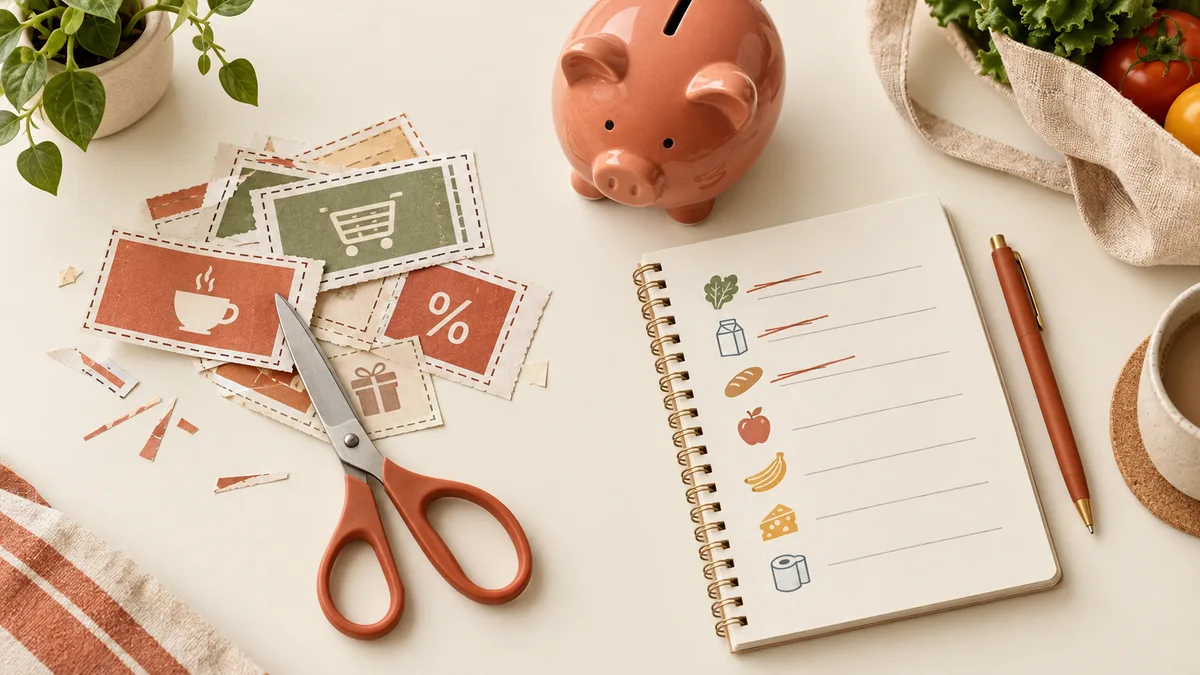
Economizing has a branding problem: it sounds like deprivation. Done properly it is the opposite - removing spending that was buying you nothing, so money is left for things that actually make you happy. Here are the cuts in the order you will least feel them, from painless to "worth a thought".
Subscriptions audit. Open your bank statement and list every recurring charge. Most families find two or three they forgot existed - an app trial that converted, a second streaming service, a cloud storage tier. Cancelling the unused half of subscriptions typically frees 500 to 1,500 a month for exactly zero lifestyle change.
Annual over monthly. For the subscriptions you keep, annual billing is usually 15-20% cheaper. Same service, less money, one decision.
Bank and card fees. SMS alert packs, unused credit card annual fees, minimum-balance penalties. One call to the bank either removes them or moves you to a free variant. Nobody misses fees.
The 24-hour rule for anything unplanned over about 1,000: add it to a list, wait a day. A surprising share of wants evaporate overnight, and the ones that survive are purchases you will actually enjoy. Keep the list in a note or a small sheet - seeing "things I did not buy" add up is strangely satisfying.
Food waste is a silent leak. A weekly grocery list built from a meal rough-plan cuts both impulse buys and the sad bag of expired spinach at the back of the fridge. Households routinely save 10-15% of the grocery bill here - which is real money every single month.
Energy habits: switching off geysers and ACs when rooms are empty, and running the washing machine on full loads, shaves a visible slice off the electricity bill in most homes.
Eating out and delivery. Nobody should cut this to zero - that is how economizing plans die. The sustainable version: pick the occasions on purpose. Two planned dinners out beat six default deliveries, in both money and enjoyment.
Big bills deserve an annual check: insurance premiums, phone and internet plans, OTT bundles. Companies quietly raise prices on loyal customers; one evening of comparing plans a year is usually the best-paid hour of economizing you will do.
What not to cut: health checkups, safe transport, and the small things that genuinely anchor your day - for many of us that is the good chai. Economizing works when it funds a life you like; it fails when it declares war on one.
Economizing without tracking feels like nothing happened, so the habit fades. Put a number on it: log each cut and its monthly value in a sheet, and move that total to savings on payday, like a bill. Watching "money I no longer waste" grow to 4,000 or 5,000 a month is the motivation that keeps the system running.
A budget tracker does the remembering for you: set the new lower limits per category, log weekly, and the dashboard shows exactly what the cuts are earning.
To spend deliberately less on things that add little value, so more is left for savings and for spending you actually enjoy. It is optimization, not punishment.
Commonly 5-15% of monthly spending from the painless levels alone - subscriptions, food waste, annual billing, fee cleanup. That is often a full month of savings contributions per year.
Usually because the plan removed enjoyment first and waste second. Reverse the order: cut what you will not miss, automate the savings, and keep the small pleasures that make the plan livable.
a monthly budget that shows where money goes · the grocery list that cuts food waste · the simple monthly budget
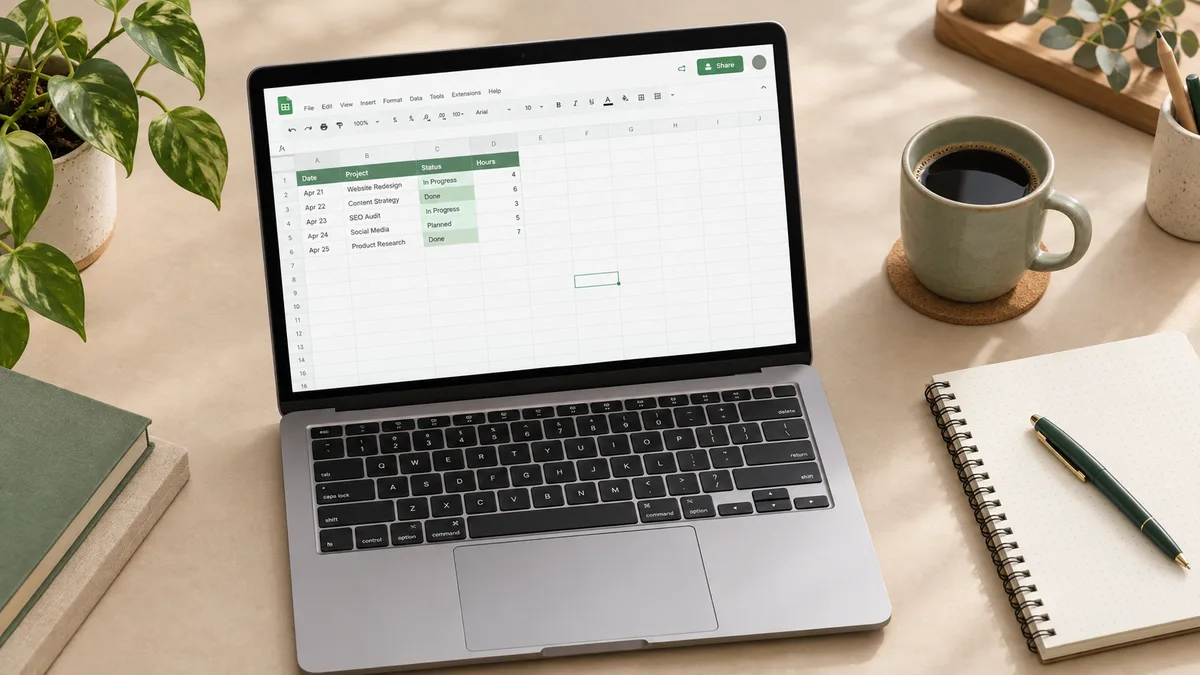
How to use Google Sheets from zero: cells, formulas, formatting and sharing, explained with small real examples. No jargon, no prior Excel needed.
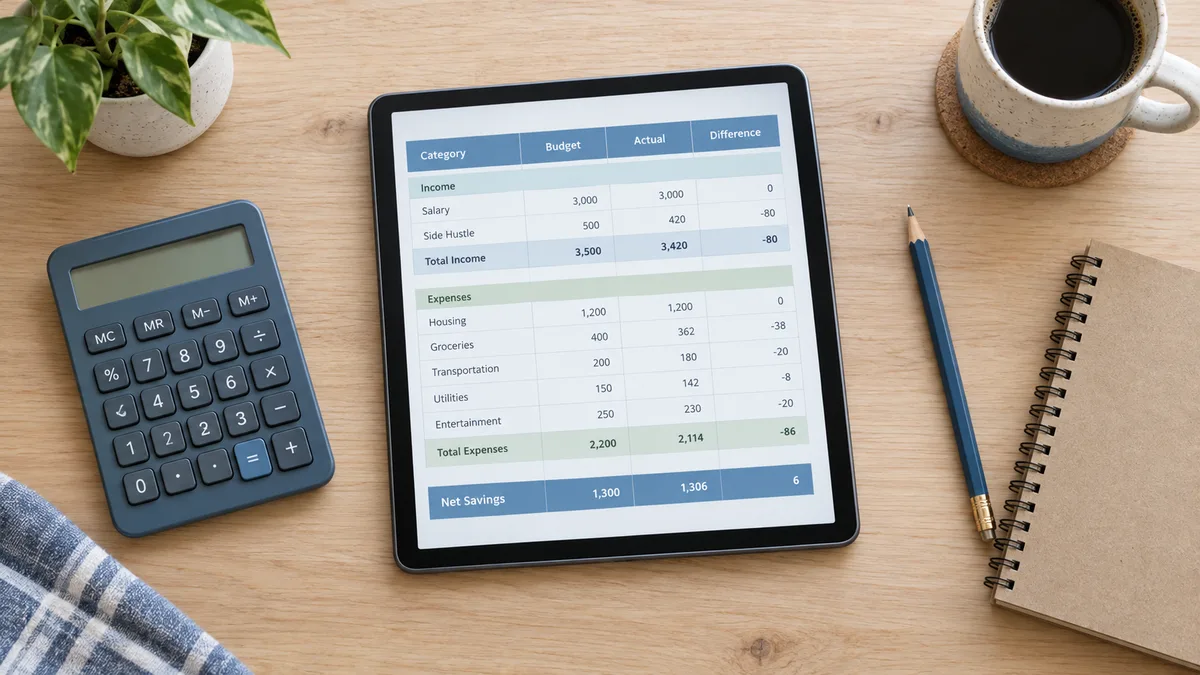
How to make a spreadsheet from a blank grid: plan the columns, add formulas, format it clean, and turn it into a reusable template. A 15-minute build.